DMCA Compliance
Anti-Money Laundering Compliance Authority - Ensuring financial security and regulatory compliance for businesses.

Anti-Money Laundering Compliance Authority - Ensuring financial security and regulatory compliance for businesses.
The Anti-Money Laundering Compliance Authority (DMCA) is a regulatory framework designed to combat money laundering and terrorist financing activities. It establishes guidelines and requirements for financial institutions and other regulated entities to detect and prevent illicit financial activities.
DMCA compliance is essential for businesses operating in the financial sector, including banks, payment processors, cryptocurrency exchanges, and other financial service providers. Non-compliance can result in severe penalties, reputational damage, and legal consequences.
Our team specializes in helping businesses implement robust DMCA compliance programs that meet regulatory requirements while maintaining operational efficiency.
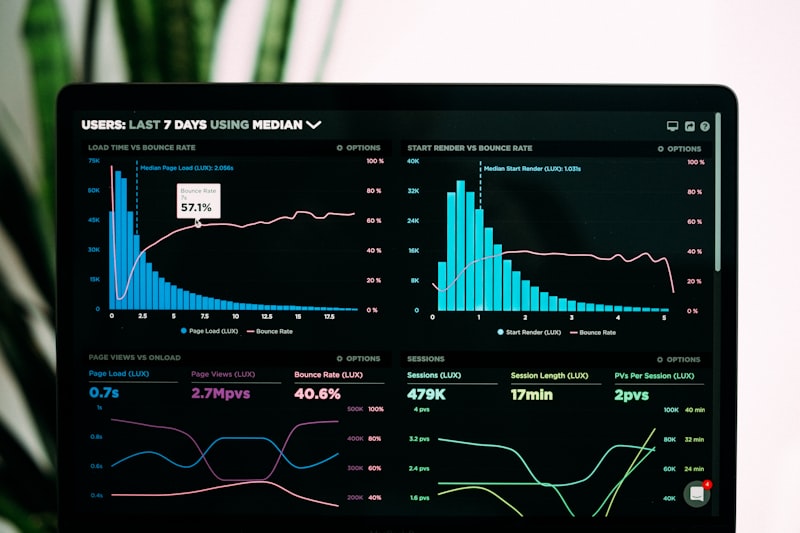
DMCA compliance involves several critical components that businesses must implement to meet regulatory standards:
Implementing these requirements effectively requires a combination of technology solutions, process improvements, and ongoing monitoring.
Get Compliance Assessment
1-2 Weeks
Comprehensive review of current processes, identification of gaps, and risk assessment to establish baseline compliance status.
2-3 Weeks
Development of customized compliance strategy, policy creation, and resource allocation for implementation.
4-6 Weeks
Deployment of monitoring systems, process adjustments, documentation systems, and initial employee training.
Ongoing
Continuous monitoring, regular audits, compliance reporting, and ongoing staff training to maintain regulatory standards.
Our team specializes in helping businesses implement and maintain DMCA compliance programs. Contact us for a free consultation.